Introduction:
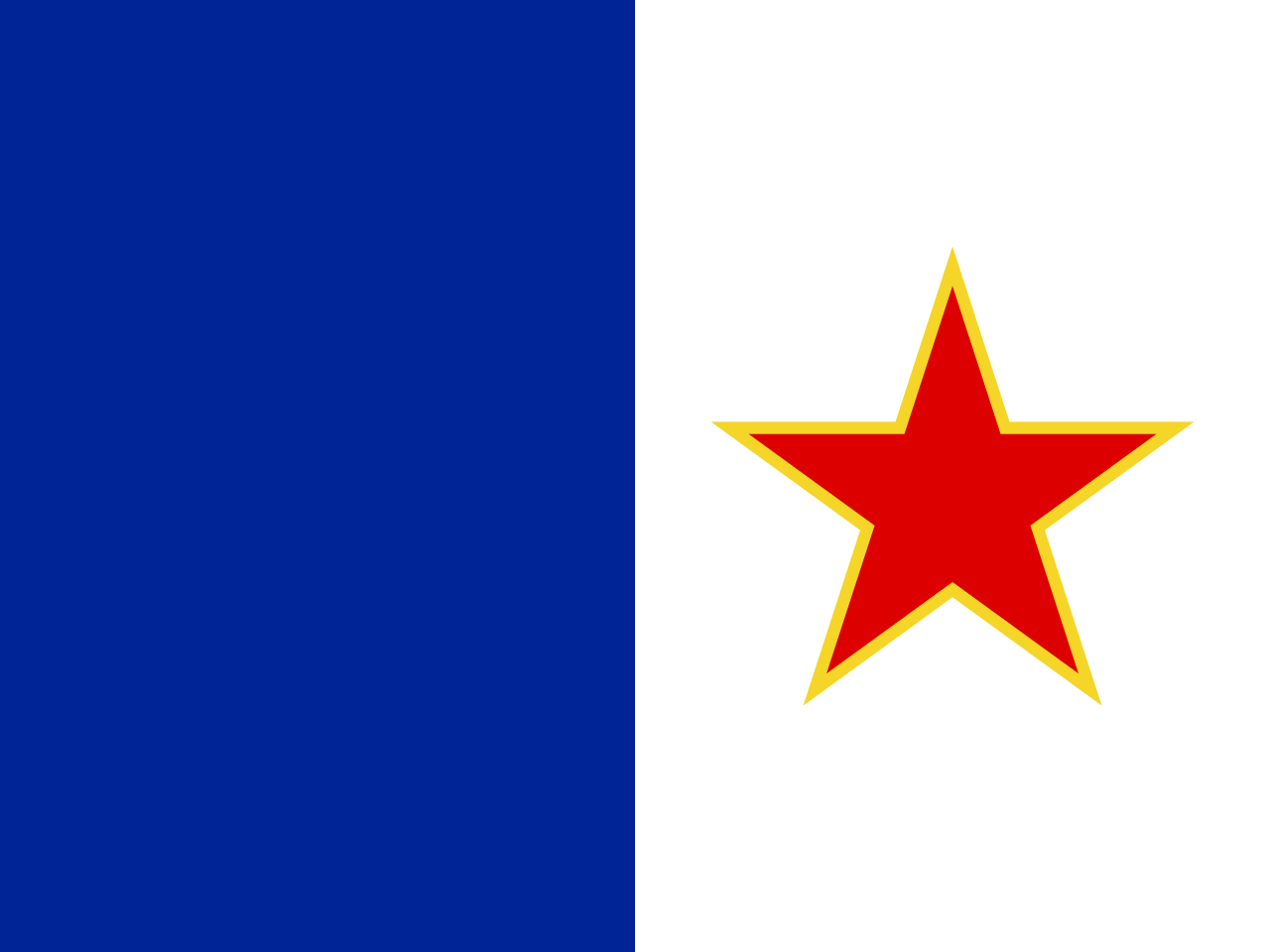
The October Crisis was a series of events triggered by two kidnappings of government officials by members of the Front de libération du Québec (FLQ) during October 1970.
Background:
From 1963 to 1970 the Quebec nationalist group Front de libération du Québec had detonated almost 100 bombs in pursuit of their separatist agenda. While mailboxes—particularly in the affluent and predominantly Anglophone city of Westmount—were common targets, the largest single bombing was of the Montreal Stock Exchange on February 13, 1969, which caused extensive damage and injured 27 people. Other targets included Montreal City Hall, Royal Canadian Mounted Police recruitment offices, railway tracks, and army installations. By 1970, 23 members of the FLQ were in prison, including four members convicted of murder.
The Crisis:
The situation came to a head with the kidnappings of British Trade Commissioner, James Cross and the Quebec Minister of Labour, Pierre Laporte on 5 and 10 October 1970 respectively. Communiqués from the FLQ kidnappers included demands for the exchange of Cross and Laporte for imprisoned “political prisoners”.
On October 13, when asked how far he would go in defusing the crisis, Prime Minister Pierre Trudeau responded with his famous, “Just watch me.” Three days later, at the request of the Premier of Quebec and the Mayor of Montreal, Trudeau’s government invoked the War Measures Act, the only time it was ever invoked in peacetime.
Simultaneously, under provisions quite separate from the War Measures Act the Solicitor-General of Quebec requisitioned the deployment of the military from the Chief of the Defence Staff in accordance with the National Defence Act. Troops from Quebec bases and elsewhere in the country were dispatched, under the direction of the Sûreté du Québec (Quebec’s provincial police force), to guard vulnerable points as well as prominent individuals at risk. This freed the police to pursue more proactive tasks in dealing with the crisis.
The next day, October 17, the body of Pierre Laporte was found in the trunk of a car.
On 6 November, a police raid snared Bernard Lortie, one of the leaders of the FLQ and he was charged with the kidnapping and murder of Pierre Laporte. He was later sentenced to 20 years in prison.
On 3 December, James Cross was released after negotiations allowed his five kidnappers safe passage to Cuba via Canadian Forces aircraft. One of the five, Marc Carbonneau, remained in Cuba until 1973. He then moved to France until 1981 at which time he returned to Canada where he was charged with abduction and forcible confinement. In March 1982, he was sentenced to 20 months in prison and 150 hours of community work. The others also eventually returned to Canada and received similar light sentences.
The crisis came to an end on 28 December when Paul Rose and two other remaining FLQ Leaders were captured and charged with the kidnapping and murder of Pierre Laporte. On March 13, 1971, Paul Rose was sentenced to life in prison.
Aftermath:
On February 3, 1971, it was reported that 497 persons had been arrested under the War Measures Act, of whom 435 had already been released. The other 62 were charged, of which 32 were accused of crimes of such seriousness that a Quebec Superior Court judge refused them bail.
Use of the War Measures Act stirred controversy and was viewed by many Canadians as an excessive use of police powers. Nonetheless, the events of October 1970 galvanized a loss of support for the violent wing of the Quebec separatist movement that had gained support over nearly ten years, and increased support for political means of attaining independence, including support for the separatist Parti Québécois, which went on to take power at the provincial level in 1976.
In 1988 the War Measures Act was replaced by the Emergencies Act and the Emergency Preparedness Act.
 Captain (N) (Ret’d) M. Braham, CD – Mike Braham is a graduate of the Royal Military College (1965) and a former naval officer and senior official with DND. He has an abiding interest in military history.