Igor Sergeievich Gouzenko, intelligence officer, author (b at Rogachov, USSR 13 Jan 1919; d near Toronto late June 1982). At the beginning of WWII Gouzenko took intelligence training and in 1943 was appointed cipher clerk at the Soviet legation in Ottawa, where he learned that Soviet intelligence operated several spy networks in Canada.
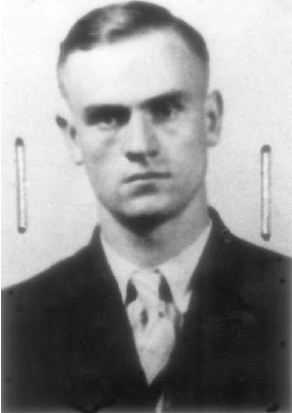
Headshot of Igor Gouzenko – click to enlarge
Disenchanted with Soviet life and politics, he decided to defect when he learned in 1945 that he and his family were to be sent home. On Sept 5 Gouzenko left the embassy with documents illustrating Soviet espionage activities. Initially, no one in Ottawa took him seriously; only on Sept 7, following an abortive Soviet attempt to recapture him, were he and his family given protective custody. He initially went to the Royal Canadian Mounted Police, but the RCMP officers on duty refused to believe his story. He then went to the Ottawa Journal newspaper, but the paper’s night editor was not interested, and suggested he go to the Department of Justice – however nobody was on duty at night when he arrived.
Terrified that the Soviets had discovered his duplicity, he went back to his apartment and hid his family in the apartment across the hall for the night. Gouzenko, hidden by a neighbour, watched through the keyhole as a group of Soviet agents broke into his apartment. They began searching through his belongings, and only left when confronted by Ottawa police.
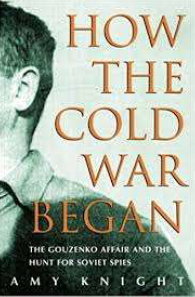
Book about Gouzenko’s story – click to enlarge
The next day Gouzenko was able to find contacts in the RCMP who were willing to examine the evidence he had removed from the Soviet embassy. Gouzenko was transported by the RCMP to the secret “Camp X”, now abandoned, but located in present-day Oshawa and comfortably distant from Ottawa. Camp X had been used during World War II as a training station for Allied undercover personnel.
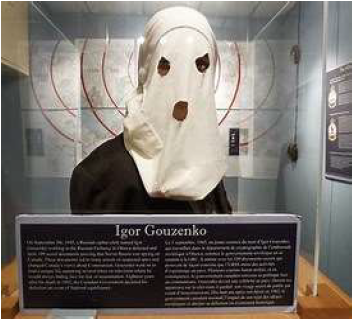
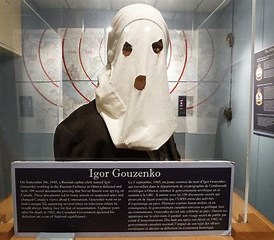
Museum display – click to enlarge
When it became evident that a widespread espionage network was operating, Mackenzie King’s government authorized the arrest of 12 suspects. After interrogation, they were brought before a royal commission. Gouzenko’s testimony and documents impressed the commissioners, who confirmed in July 1946 that a spy ring had been operating in Canada, aimed at, among other things, the secrets of the atomic bomb. A number of suspects were subsequently convicted and imprisoned. Gouzenko exposed Joseph Stalin’s efforts to steal nuclear secrets, and the technique of planting sleeper agents.
The “Gouzenko Affair” is often credited as a triggering event of the Cold War, with historian Jack Granatstein stating “Gouzenko was the beginning of the Cold War for public opinion” and journalist Robert Fulford writing “I am absolutely certain the Cold War began in Ottawa”.
The New York Times described Gouzenko’s actions as having “awakened the people of North America to the magnitude and the danger of Soviet espionage.” Gouzenko was given a new identity, and for the rest of his life he and his family had police protection.
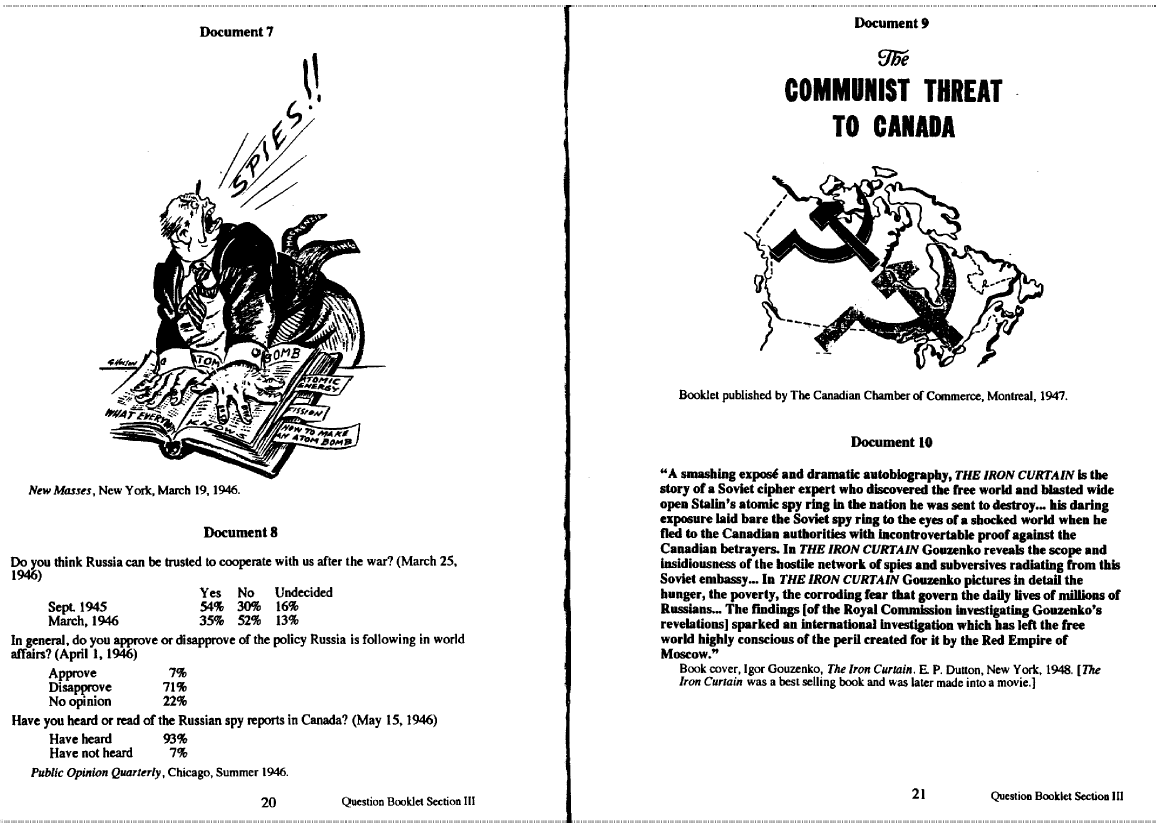
Booklet published by the Canadian Chamber of Commerce, Montreal, 1947 – click to enlarge
He produced a memoir, This Was My Choice (1948), and a novel, The Fall of a Titan, which received the Governor General’s Award (1954). From time to time he emerged from the shadows, always wearing a protective mask, which for most Canadians became his trademark. Even his death, apparently from natural causes, was surrounded in secrecy.
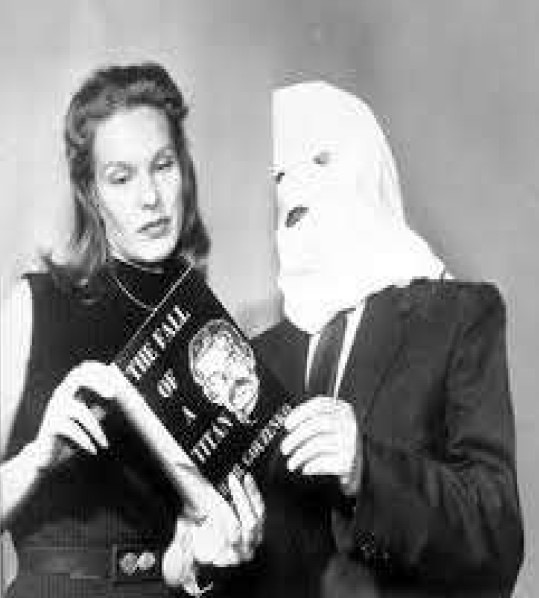
Igor Gouzenko on television, 1966. – click to enlarge
Over half of the convictions under the Official Secrets Act were a result of Gouzenko’s defection In June 2003, the city of Ottawa and in April 2004, the Canadian federal government put up memorial plaques in Dundonald Park commemorating the Soviet defector. It was from this park that RCMP agents monitored Gouzenko’s apartment across the street the night men from the Soviet embassy came looking for Gouzenko.
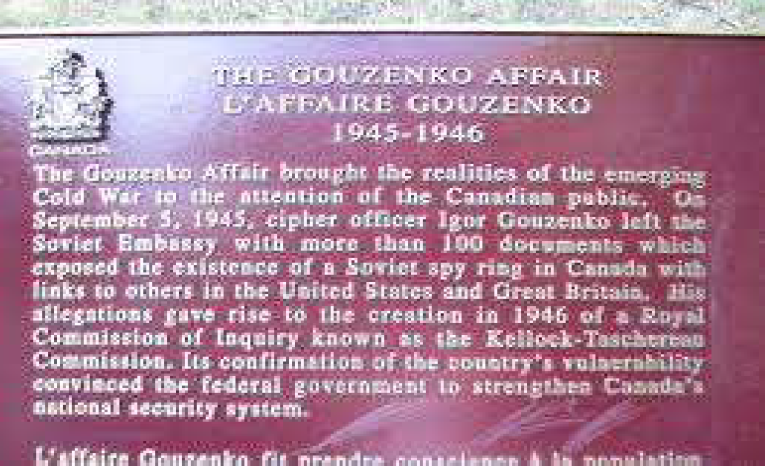
National Historic Plaque about the Gouzenko Affair – click to enlarge